
Tummy Tuck Post Op Massage What You Need to Know
A tummy tuck is major surgery, and recovery rarely follows a perfect timeline. Swelling, tightness, limited movement, drains, compression garments and incision care can all shape what feels safe from one week to the next.
Post-op massage may be part of recovery for some people, but only when it fits the procedure, the healing stage and the surgeon’s instructions. Before booking tummy tuck post op massage, it helps to know what questions to ask, what a safe session should feel like and which symptoms need medical attention instead.
This article is for general information only and does not replace advice from your surgeon or health-care team.

A tummy tuck is not the same as liposuction
A tummy tuck, also called an abdominoplasty, can involve several surgical steps. These may include removing extra skin, repositioning tissue and repairing separated abdominal muscles. Some people also have liposuction at the same time.
That matters because the recovery approach is different from liposuction alone.
With abdominoplasty massage, the provider must think about:
Where the incision is located
Whether muscle repair was performed
How much swelling or tightness is present
Whether drains are still in place
What positions the surgeon has restricted
Whether the procedure was combined with liposuction
A technique that is appropriate after one procedure may be too much after another. Even gentle pressure can be poorly timed if tissue is still fragile or if the incision area needs protection.
This is why a standard routine from a video or social media post is not enough. Post-operative care should be based on the actual surgery, not a general idea of what “post-op massage” looks like.
Healing tissue needs careful protection
The early stage after a tummy tuck is not the time to push through discomfort. The body is healing beneath the surface, and the visible incision is only one part of the picture.
Your surgeon may give instructions about:
How and when to wear compression
Whether drains are in place and how to manage them
How to walk, sit and sleep
When to shower
What activity limits to follow
When hands-on treatment may be considered
Those instructions come first. A massage provider should never ask you to ignore them.
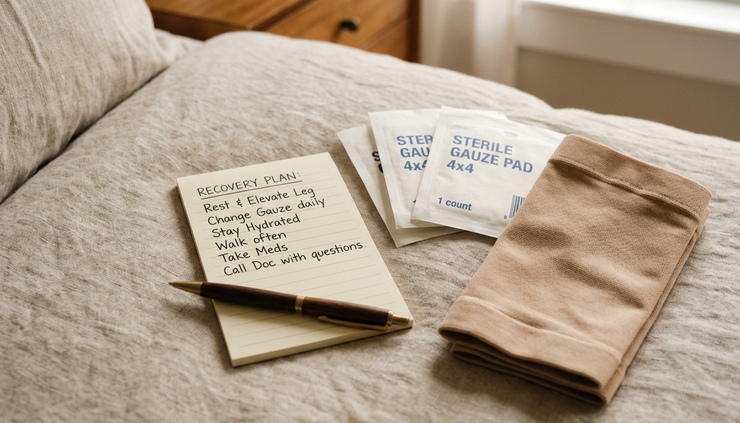
A supportive provider will ask detailed questions before treatment. They should want to know what procedure was performed, what your surgeon has cleared and what still feels uncomfortable. If the answers are unclear, the safest next step is to confirm with the surgical team before proceeding.
Pain is not the goal. Treatment should not feel aggressive, forced or like something you need to endure to get a better result.
Questions to ask before booking
Before booking post tummy tuck lymphatic drainage or any hands-on post-op service, gather the details that affect treatment planning. Bring them to your consultation along with your medication list and aftercare instructions.
Ask your surgical team:
What exact procedure did I have?
Was muscle repair performed?
Are drains still in place?
What is the current status of my incisions?
When is post-op massage appropriate for me, if at all?
Are there positions I should avoid, such as lying flat?
What compression garment should I wear, and for how long?
Are there areas that should not be touched?
Are there any symptoms that should make me pause treatment?
These answers help shape the session. For example, someone who cannot lie flat needs modified positioning. Someone with healing incisions may need treatment that avoids certain areas completely. Someone with a combined tummy tuck and liposuction may need a different plan than someone who had skin removal without liposuction.
If you are planning tummy tuck recovery in Whitby or elsewhere in Durham Region, it can help to choose a provider who is comfortable working with surgeon instructions and realistic recovery timelines.
What a supportive session may involve
When approved by the surgical team, a post-op session should be calm, careful and responsive. The focus is comfort and support, not dramatic before-and-after promises.
A session may involve:
Gentle, light-touch techniques
Careful positioning with pillows or bolsters
Avoiding pressure near restricted areas
Checking comfort often
Working around compression guidance
Stopping if pain, dizziness or distress appears
You should be able to speak up at any point. You can ask to change position, reduce pressure or stop the session completely. A good provider will welcome that feedback.

The pressure should usually feel gentle, especially early in recovery. More intensity does not mean better healing. In fact, pushing too hard or working too soon can create unnecessary discomfort and may conflict with your surgeon’s instructions.
A useful session should also include communication. The provider should explain what they are doing, ask how you feel and respect your limits.
Red flags need medical care, not massage
Some symptoms after surgery need prompt medical review. Massage should not be used to “work out” concerning changes.
Contact your surgeon if you notice:
Increasing pain that feels unusual or severe
Spreading redness or heat around an area
Fever
Unusual drainage or odour from an incision
Sudden or one-sided swelling
New bleeding
A wound that appears to be opening
Symptoms that feel different from your expected recovery
Seek urgent care for chest pain, shortness of breath, fainting or signs that feel serious. Breathing symptoms should never be treated as a massage issue.
If a symptom seems medical, pause treatment and contact the surgical team. Post-op massage is supportive care, not emergency care.
What no treatment can promise
Be cautious with any provider who promises a perfect cosmetic result. No massage can guarantee prevention of scar tissue, fibrosis, swelling or a specific final shape.
Recovery after a tummy tuck depends on many factors, including the procedure, surgical technique, health history, aftercare, activity level and the body’s natural healing response. Hands-on care may support comfort and recovery when appropriate, but it cannot control every outcome.
A trustworthy provider will give realistic guidance. They will not pressure you to book early, ignore medical advice or believe that pain means progress.

Frequently asked questions
Can I lie flat during treatment?
Not always. Positioning must respect your surgeon’s restrictions and your comfort. Some people need pillows, side-lying support or other modifications during early recovery.
When can I start?
Only your surgical team can confirm the right timing. It varies based on the procedure, incision healing, drains, swelling and any complications or restrictions.
Will massage prevent scar tissue?
No treatment can guarantee that. Follow your surgeon’s wound and scar care guidance, and ask when it is safe to begin any scar-related work.
Plan your recovery support
Post-op massage after a tummy tuck should be planned with care. The safest approach starts with your surgeon’s clearance, clear aftercare instructions and a provider who adapts the session to your actual recovery stage.
If you are preparing for surgery or sorting through your next steps after a tummy tuck, Enquire About Post-Op Care at Body By Mars. We can help you prepare questions for your surgeon and plan realistic support that respects your recovery. For any medical concerns, contact your surgical team directly.
Comments